What’s really driving up the cost of your next adventure...?
There’s something that seems to be on everyone’s mind at the moment – and that is… why the heck does it feel like travel costs more these days?
You might have noticed we’ve had to put some of our trips up a smidge too, (I’ll get into ‘why’ in a sec…). It’s something we don’t love having to do, but must, if we still want to keep our trips special.
I was curious myself to see how much our trips had changed in price over the last few years, so I pulled out my trusty magnifying glass and flipped the calendar back a few years to when we ran our first trips for Silk Road, Bengal To Bhutan and the Balkans (our three most popular trips) and did a little comparison from then to now. Here’s how that looks…
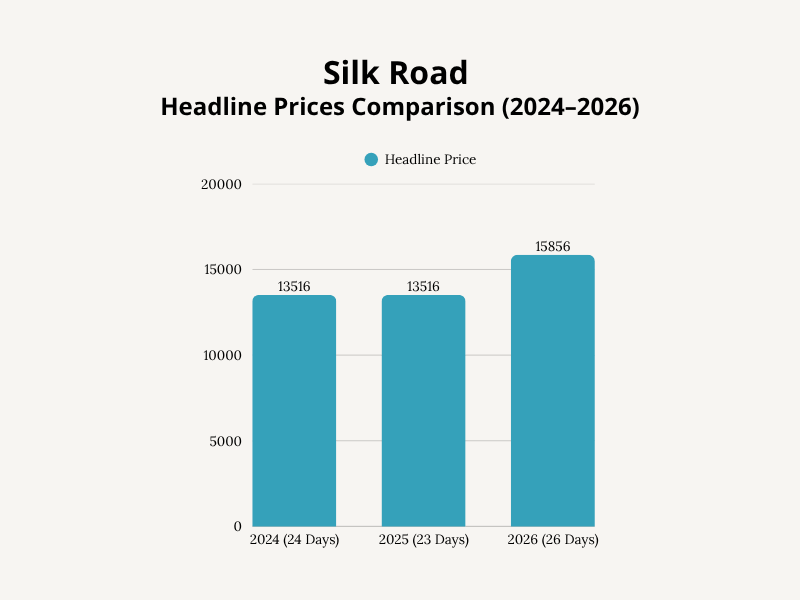
Findings:
- Trip price remained the same from 2024 to 2025 but the trip duration was a day less in 2025 due to improvements with the border crossing.
- From 2024 the price has increased by $2,340 with the trip extended from 23 to 26 days and the addition of an extra Stan.
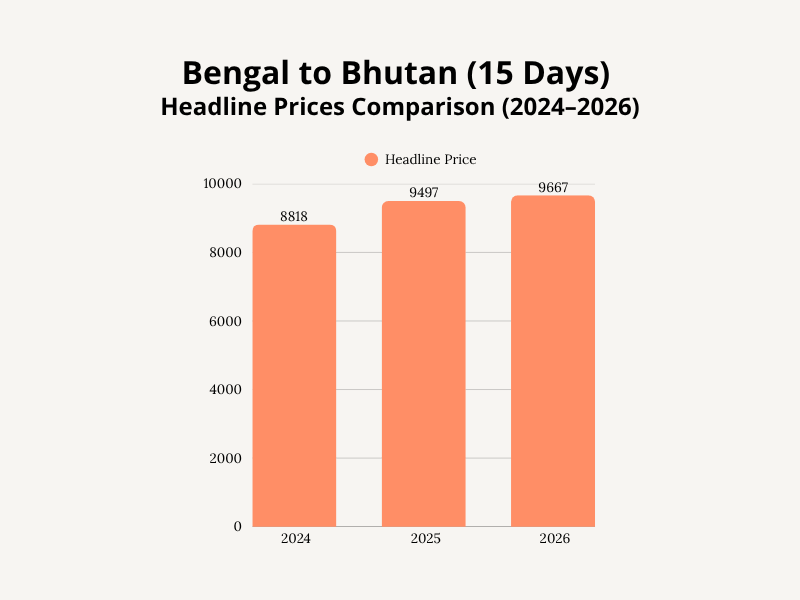
Findings:
- From 2024 to 2025 the headline price increased by $679.
- From 2025 to 2026 the trip has had a price increase of $170 with an overall price increase of $849 since the first trip in 2024.
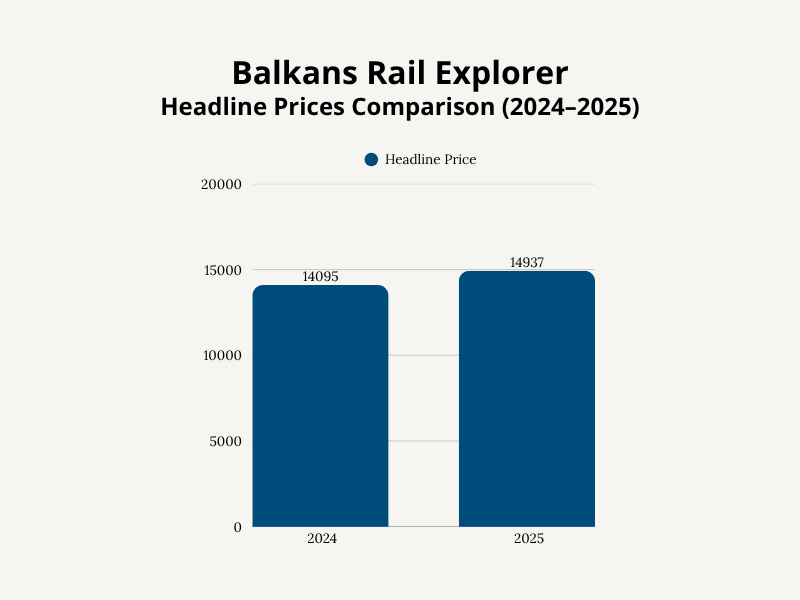
Findings:
- From 2024 to 2025 the headline price increased by $842.
Pretty interesting huh? Now let me share some of the factors that have led to price changes across our trips…
Our Head Trip Designer, Lisa, gave me some interesting insights into how Covid affected pricing…
“During the pandemic, Indian hotels that used to take international travellers flipped their market to focus on bringing locals in. Then, once borders opened again, lots of these hotels didn’t go back to the international tourist market right away, because they were already busy with local business.

There was still an uneasiness about taking group bookings for international travellers and the hotels that were willing to take bookings 12 months in advance, (which is how far in advance we secure our hotel accommodation) were few and far between. The ones that were willing to do it had an overwhelming cultural mentality that they were going to make up for a year and a half worth of money that they lost, so prices skyrocketed. Demand was very high, so prices went through the roof! Even after having committed to a price, hotels would cancel contracts midway through with the mindset that, ‘If you want to book, you’re going to have to pay more now.’ Almost like, ‘revenge pricing’.
India was our first experience with it, but it happened with lots of different destinations across the world as people exacted their ‘revenge travel’ – finally taking holidays they’d had to put on hold due to Covid. Prices in the UK exploded! And then shortly after, the UK experienced Brexit with many workers leaving, which created staff shortages and the quality of service that the hotels could provide actually went down.
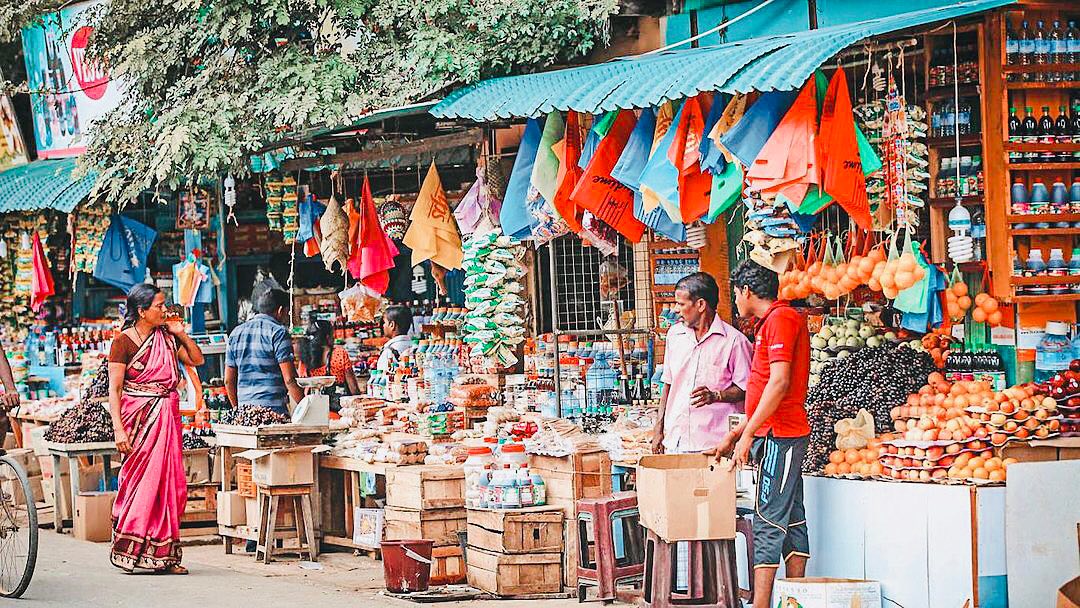
Another destination that experienced a skills shortage is Sri Lanka. They were hit very hard by the pandemic and also went through the crisis with their government. Both events devastated the tourism industry and saw a lot of people leave the country to find jobs overseas, which saw the quality of the service drop too.”
As Lisa shared, tourism contributed significantly to India’s GDP, snuffing out the idea that it’s still a ‘cheap holiday’ destination.

But Covid isn’t the only culprit…
Fluctuations in the FX rate also influence the cost of travel and impact our trip prices. If we take a quick squiz back at the FX rate in July, 2019, it was 1 AUD = 0.69 USD compared to today’s rate of 1 AUD = 0.65 USD (at time of writing). And inflation has gone further than you might think:
- Airport transfer companies have raised their prices
- Governments and airports have imposed new passenger duties
- New electronic visa services have also brought new charges with them
- For a more specific example, Romania began charging VAT (Value Added Tax) on hotel bookings
Being a remote company, we’re lucky to have lower costs, – but as our team grows, so too does the cost of the apps and software subscriptions. And please don’t mention the word ‘insurance’.
Best I leave that one well alone…